
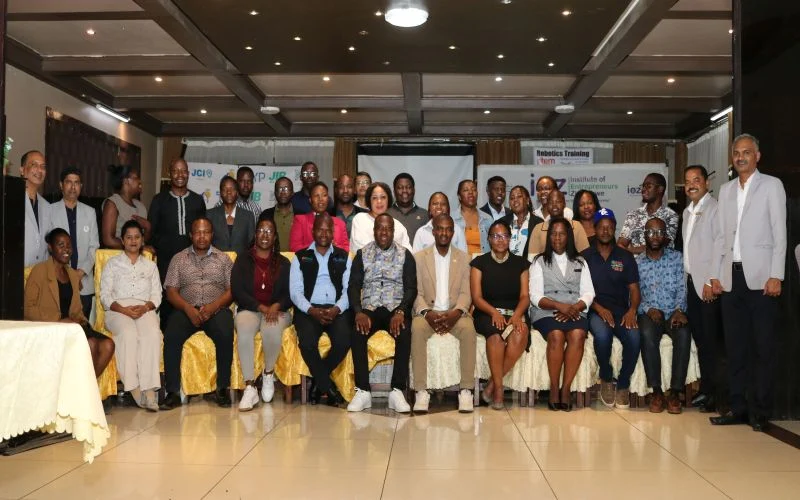
From 16 to 22 March, a series of engaging events took place in Zimbabwe, as part of the REACH program. The initiative was organized by Qurious Mind Infotainment Pvt Ltd in collaboration with STEM Quest Labs and the Institute of Entrepreneurs, Zimbabwe. The programs focused on training students and young graduates in robotics, artificial intelligence (AI), and entrepreneurship. The goal was to inspire and equip the next generation of engineers, innovators, and leaders with future-ready skills.
| Name of the trainers | Name of the Associates |
|---|---|
| Manoj Jamsandekar | Yogesh Kerkar |
| Kalpak Nayak | Venkatesh Babladi |
| Prabita Desai | Sanjay Chopra |
Day 1: 16 March 2025
Introduction:
On the 16th of March, 2025, a series of impactful events were held in Harare, Zimbabwe, as part of the REACH program, which was organized by Qurious Mind Infotainment Pvt Ltd in association with STEM Quest Labs and the Institute of Entrepreneurs, Zimbabwe. The events featured training and development programs for students and young graduates, with an emphasis on robotics, artificial intelligence (AI), and entrepreneurship. The day’s activities were marked by a strong focus on empowering the next generation of engineers, innovators, and leaders.
Place 1: Young engineers’ international school- Harare Zimbabwe.
Facilitators: Manoj Jamsandekar, Prabita Desai, Kalpak Nayak
Age Group: 7 to 10 Years
Activity: Windmill Construction using Reach Kit
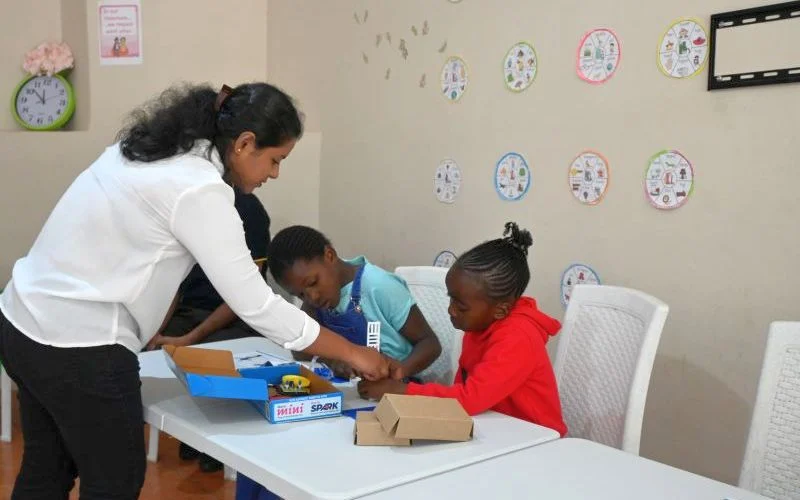
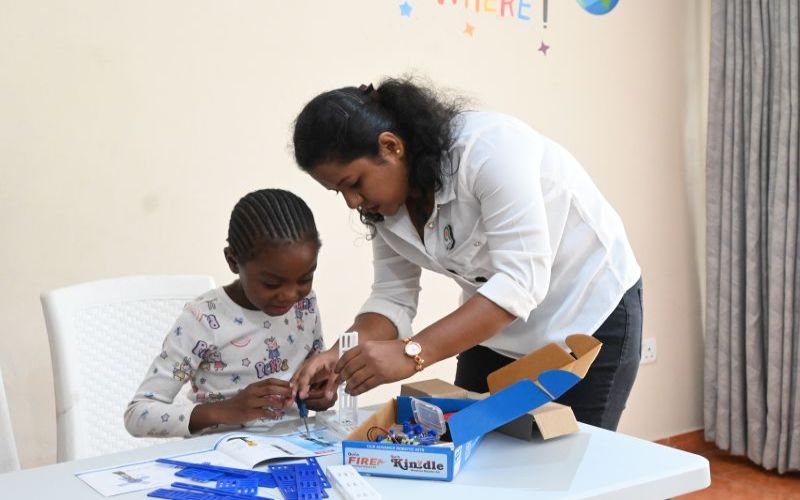
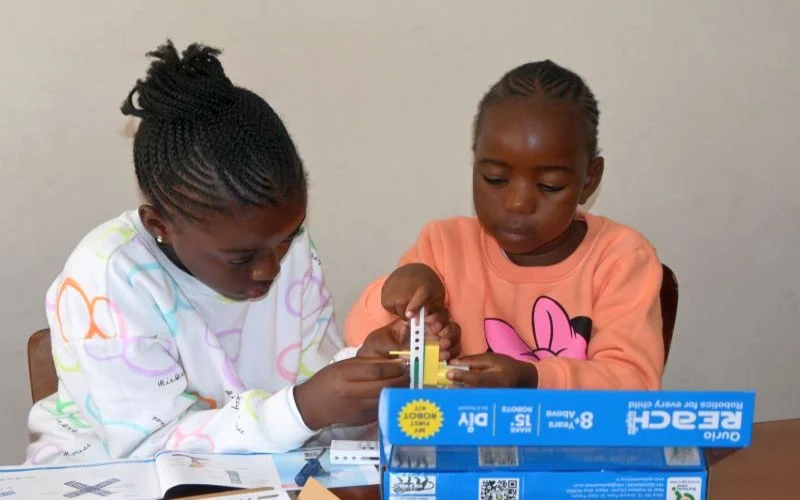
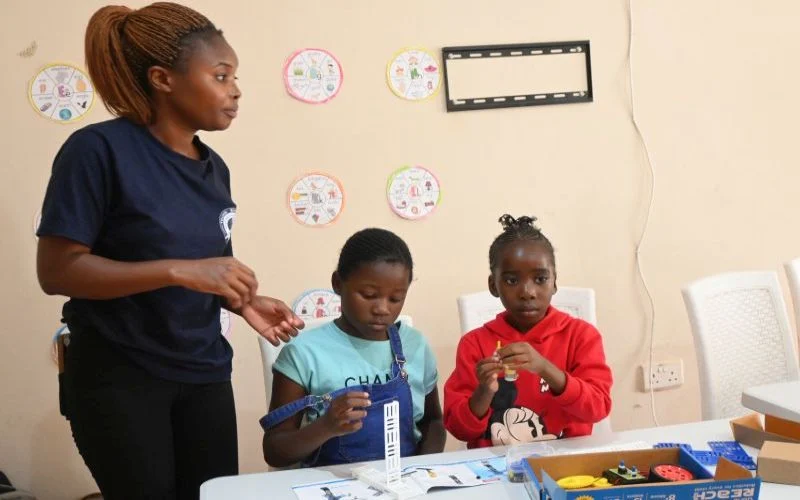
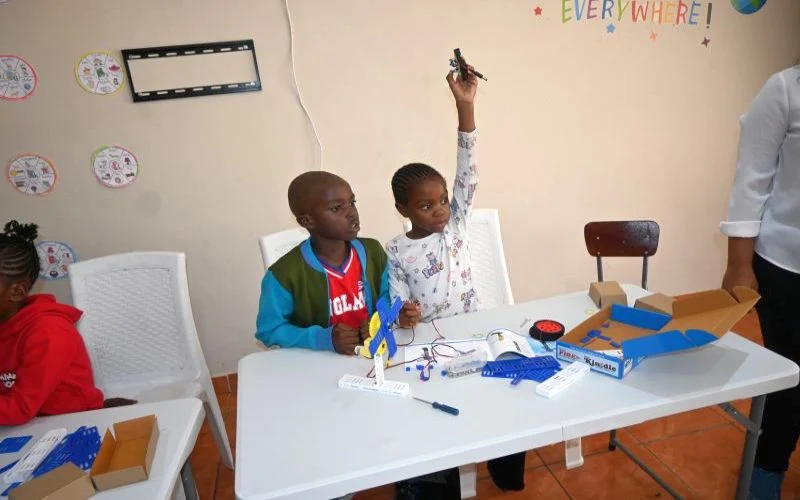
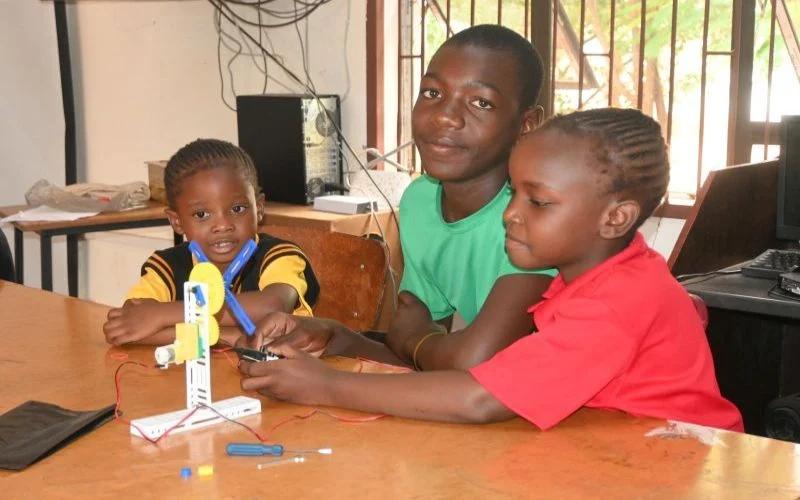
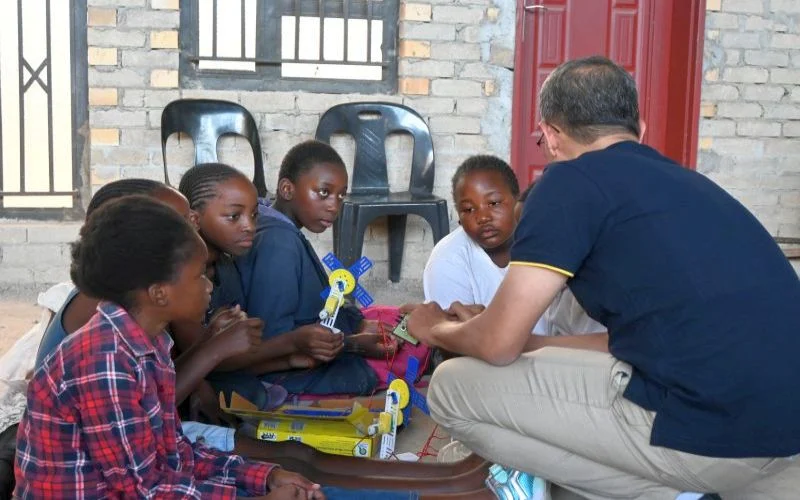
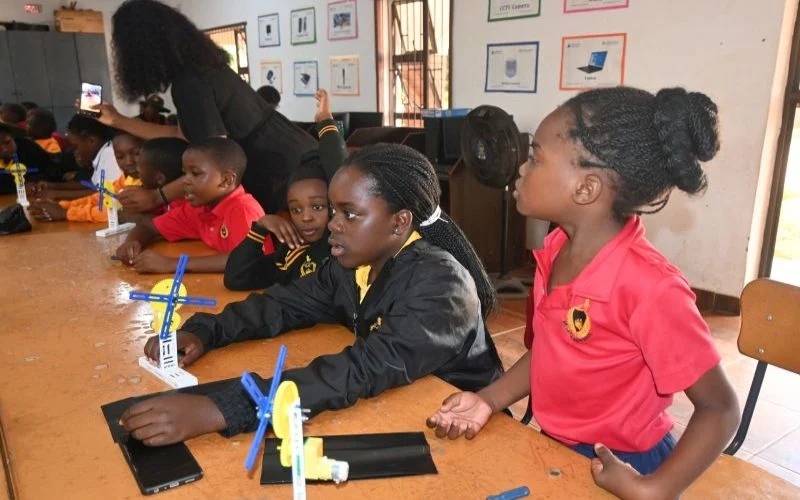
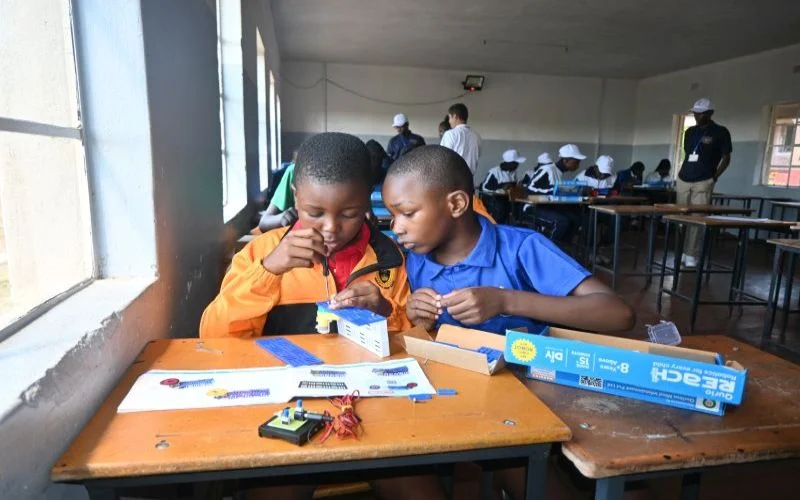
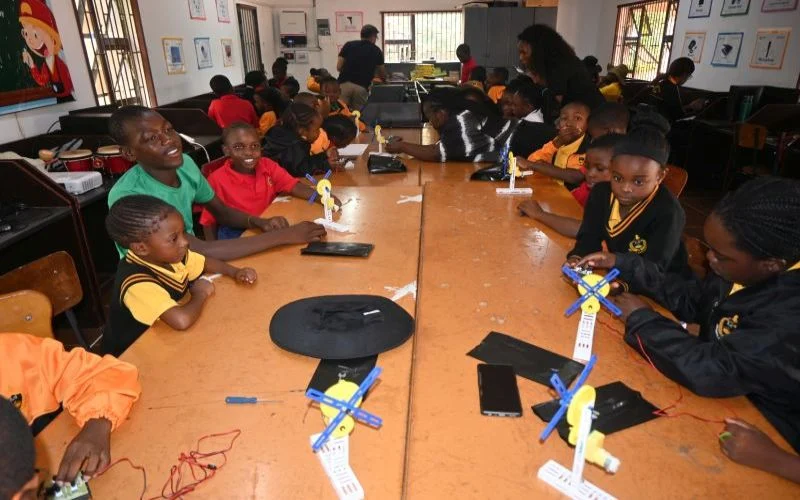
On this day, a workshop was conducted for a group of young students aged 7 to 10 years. All together 16 students participated for the workshop. The goal of the workshop was to introduce the children to the basics of engineering and mechanical concepts through hands-on activities. The activity focused on using the Reach Kit, a versatile educational tool designed to encourage creativity and understanding of fundamental scientific principles.
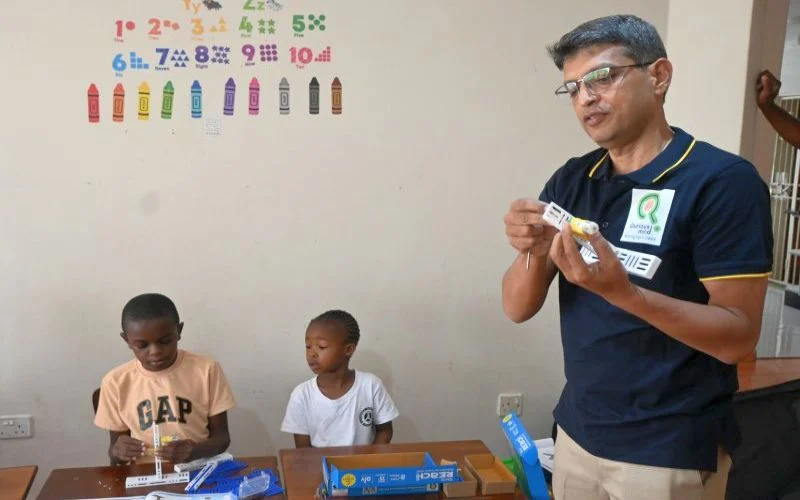
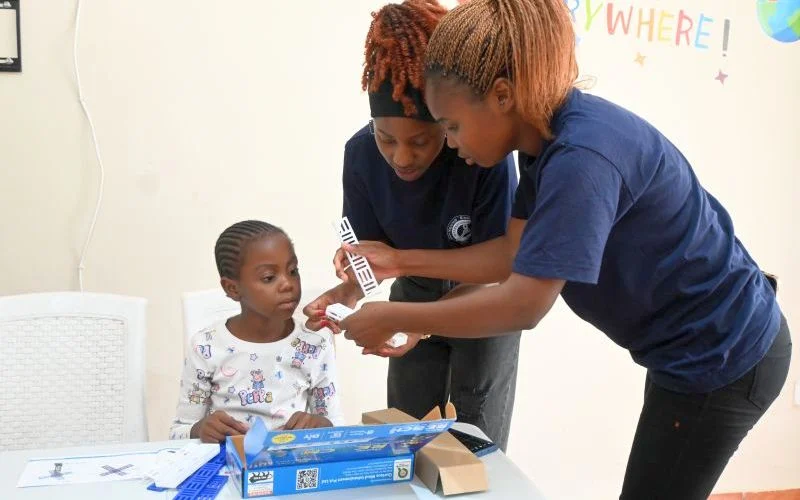
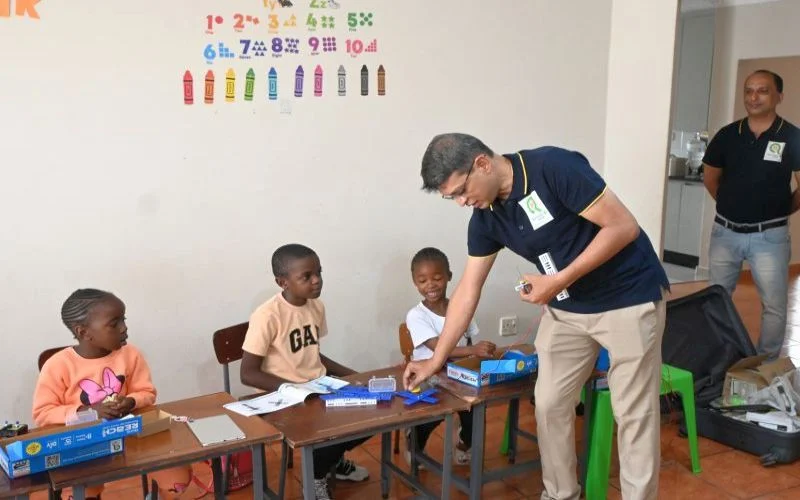
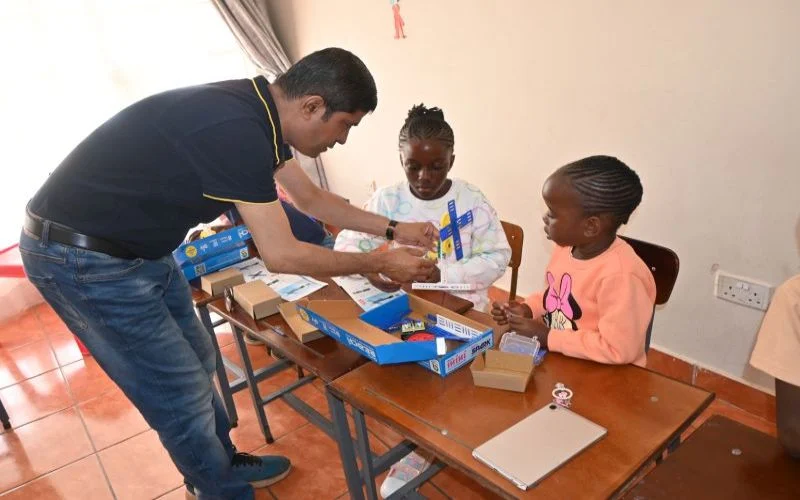
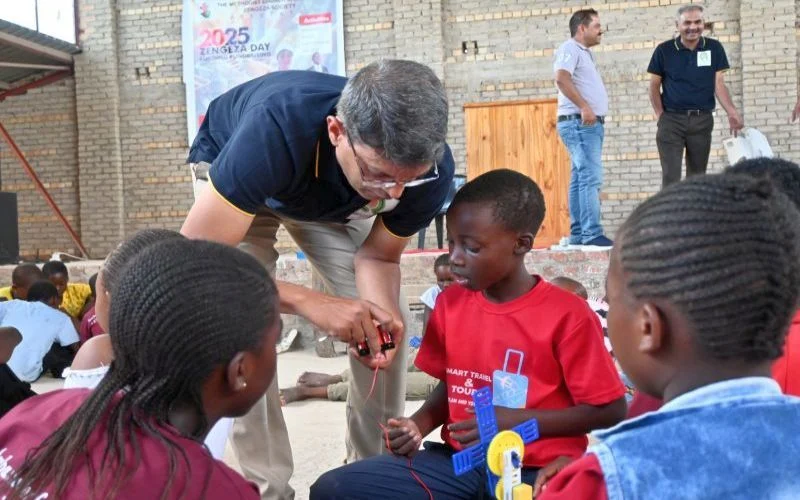
Manoj Jamsandekar led the workshop by explaining the concept of windmills and how they work, followed by a demonstration of how to build one using the Reach Kit. Prabita Desai and Kalpak Nayak assisted the children throughout the practical work, providing guidance and support.
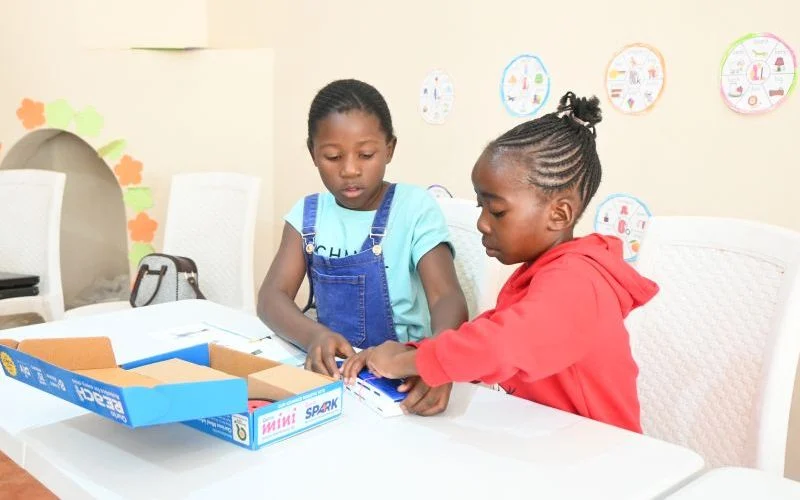
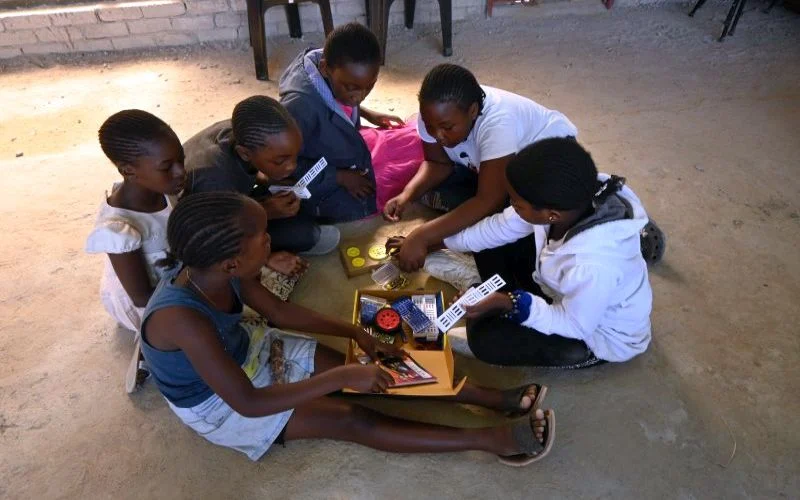
The children were divided into small groups, with two kids per group. Each group was tasked with building a windmill using the components from the Reach Kit.
The children were shown step-by-step how to assemble the parts, including how to attach the blades, connect the motor, and ensure the windmill could spin when wind or air was directed at it.
The construction process not only involved assembling parts but also helped the children understand basic principles of gears, mechanical motion, and energy conversion.
Place2: Methodist Church Harare
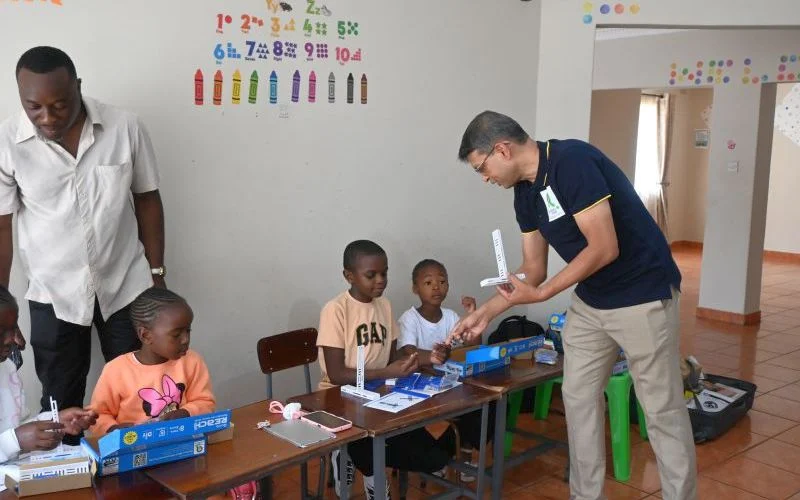
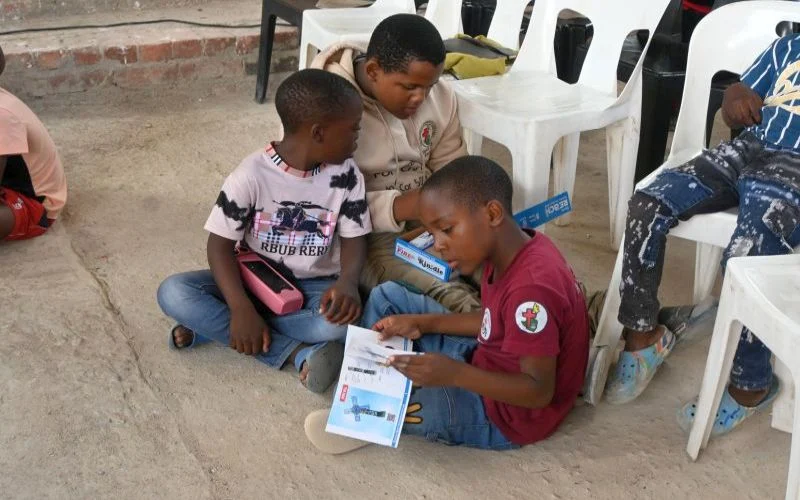
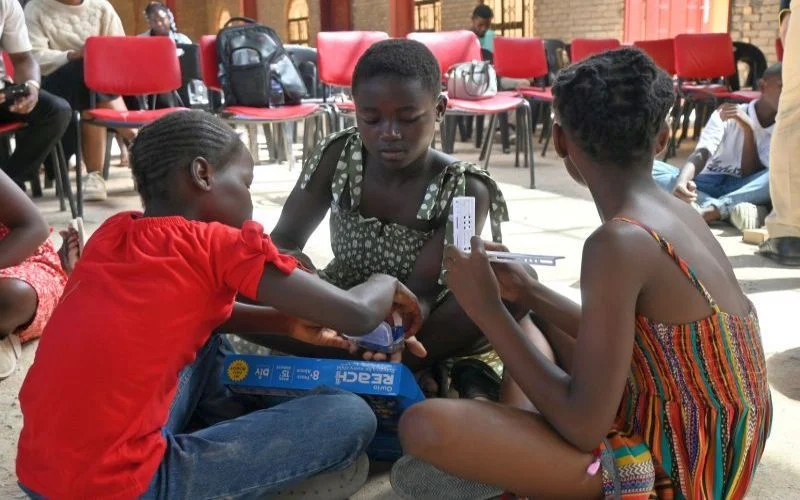
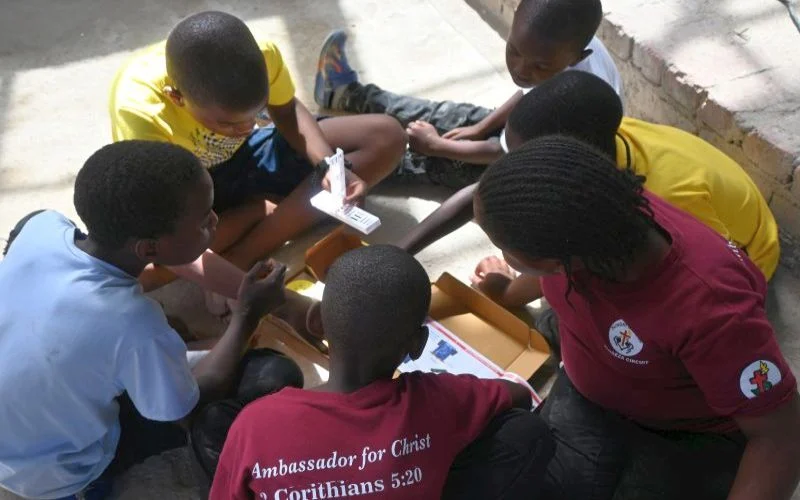
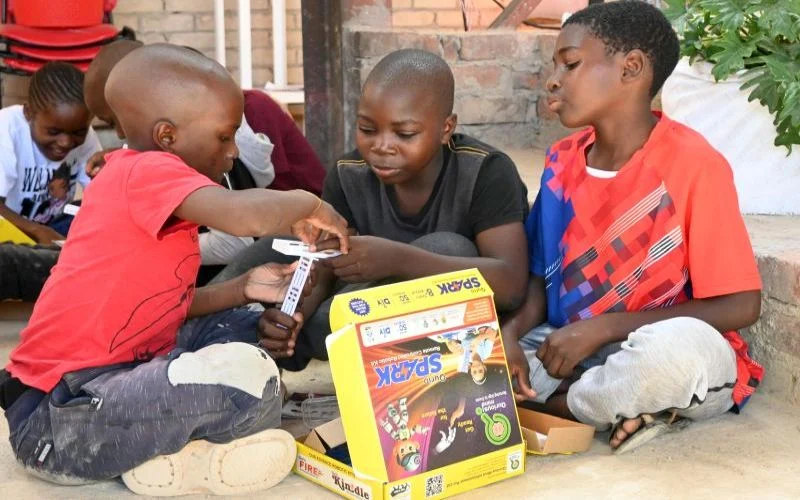
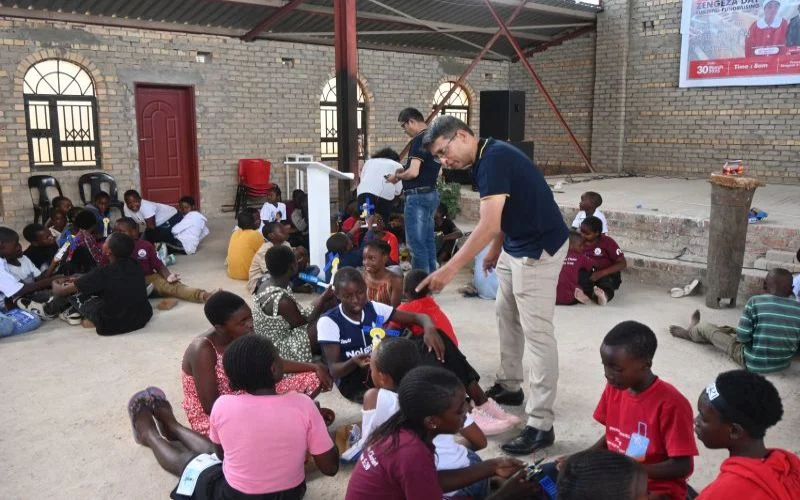
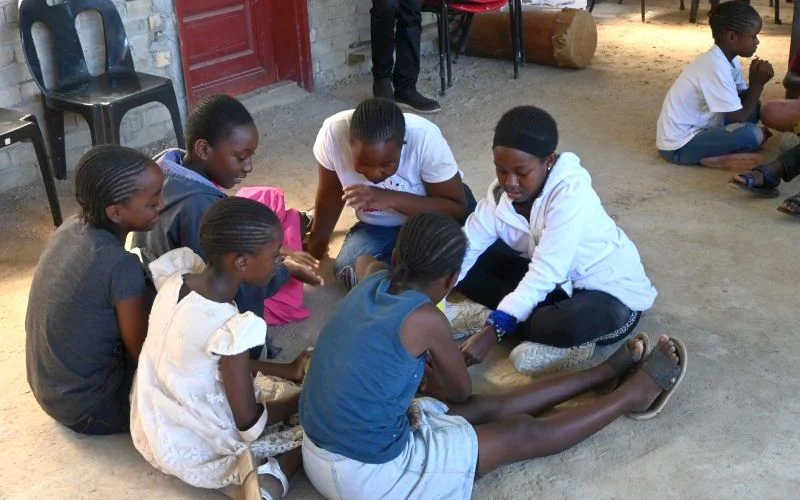
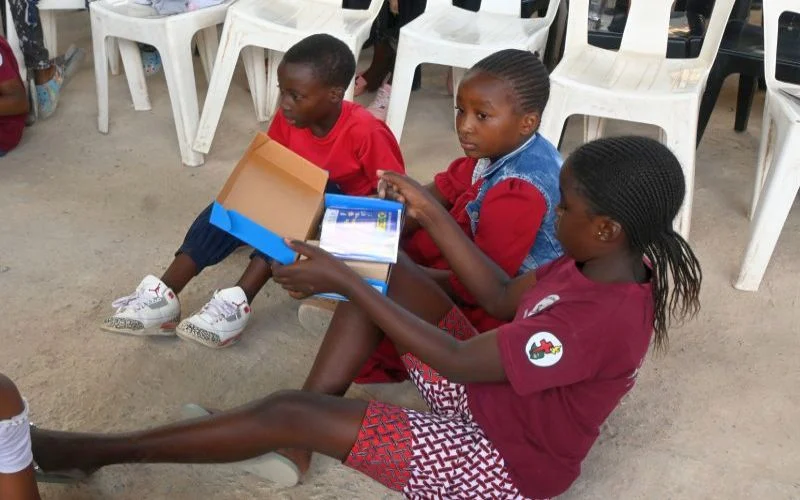
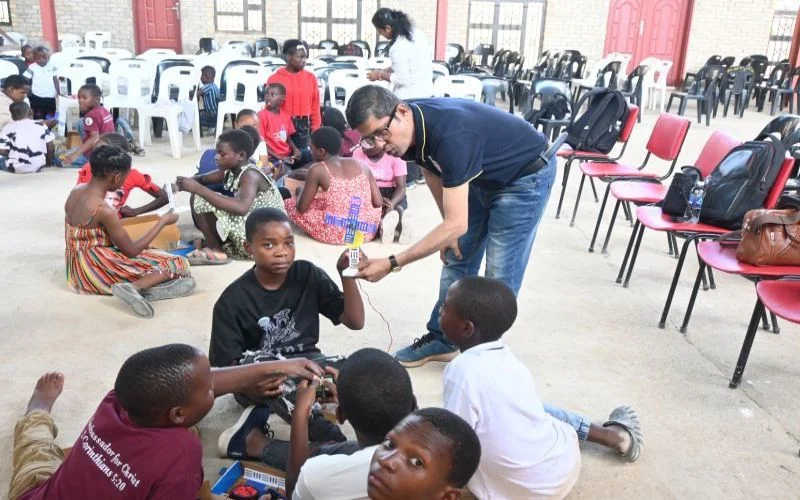
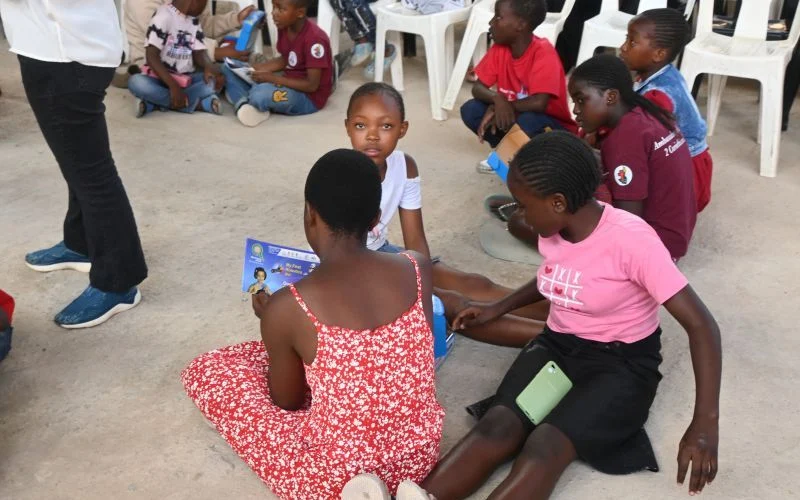
A Robotics Workshop was held at the Methodist Church in Harare, designed for students between the ages of 7 to 14 years. The workshop attracted a total of 40 enthusiastic students eager to learn about basic robotics through hands-on activities.
The session was led by Manoj Jamsandekar, who introduced the students to the Reach Kit, an educational robotics kit aimed at helping young learners explore the concepts of mechanics, gears, and robotics. The main activity of the workshop involved building a windmill, which provided students with a practical understanding of gears and motion.
The primary task of the workshop was for students to build a windmill using the Reach Kit. Manoj Jamsandekar demonstrated the process of constructing the windmill, focusing on how the gears were used to transfer motion from the motor to the blades, allowing them to spin.
He explained the concept of gears, how their sizes affect the speed and direction of motion, and how gear ratios influence the performance of mechanical systems. This gave the students an important hands-on lesson in mechanical energy and how simple machines work.
The students were divided into smaller groups, and each group worked together to assemble their windmills. The hands-on nature of the task allowed the students to actively engage in problem-solving and teamwork while learning the core principles of engineering and mechanics.
Prabita Desai and Kalpak Nayak provided additional support, assisting the students in hands-on tasks, ensuring everyone was able to follow the instructions and successfully complete the project.
Date: 16th March 2025
Time: Evening
Attendees:
- Dr. Vere
- Dr. Doreen
- Itai Manyere (Former World President of JCI)
- Sheila (President of JCI Harare)
- Goa Team
On the evening of 16th March 2025, a Coffee Table Meeting was held with key stakeholders, including Dr. Vere, Dr. Doreen, Itai Manyere (Former World President of JCI), Sheila (President of JCI Harare), and the Goa Team. The meeting was aimed at finalizing the plans for the upcoming program, which was set to begin on Monday, 17th March 2025. The discussions centered on aligning the goals, responsibilities, and logistical aspects of the program, ensuring that everyone involved had a clear understanding of their roles and the objectives to be achieved.
Day 2: 17 March 2025
The team was divided into two groups Team A and Team B to carry out workshops and training sessions at two different locations: Solid Rock High School in Domboshava and Errymaple International School in Zvishavane. Below is a detailed breakdown of the activities and experiences at both venues.
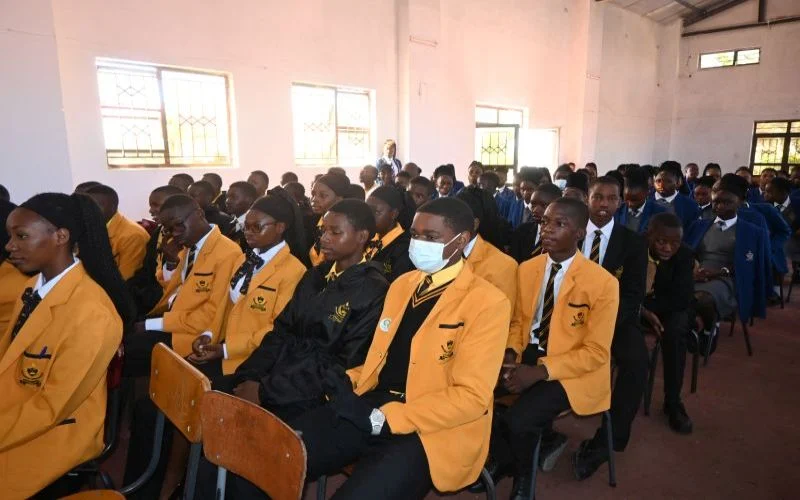
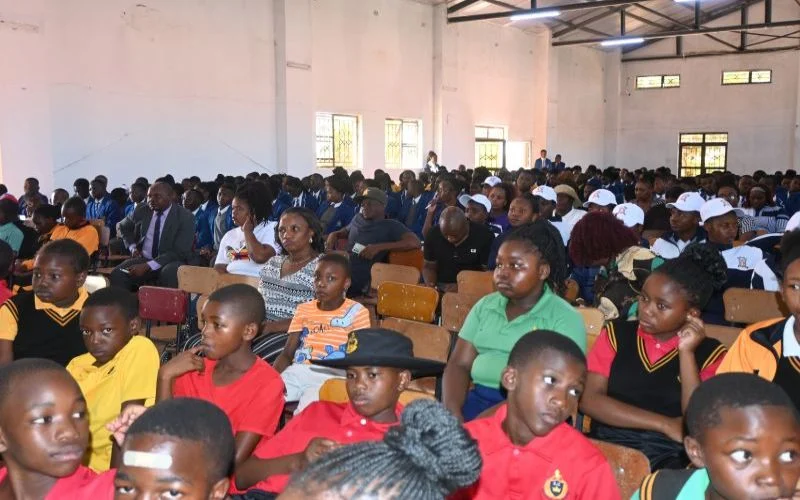
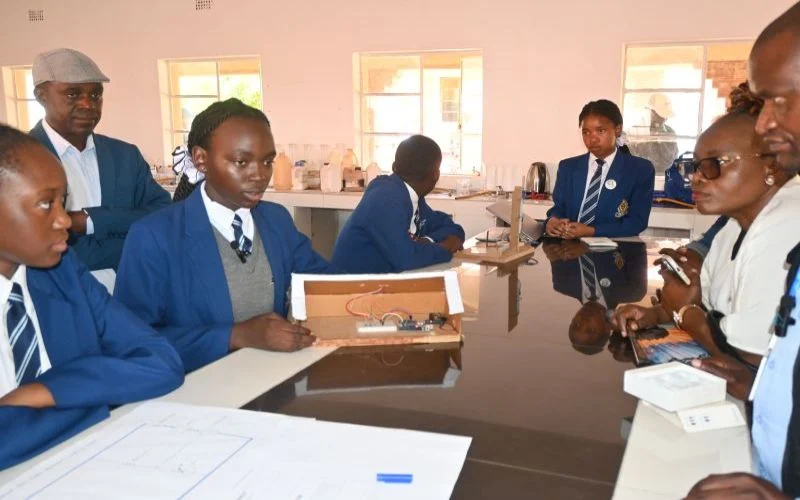
The first group of team members that is Team A (trainer Mr. Kalpak Nayak assisted by Mr. Sanjay Chopra and Mr. Venkatesh Babladi) travelled to Solid Rock High School in Domboshava, located just outside Harare. Upon arrival, the team immediately began preparing for the workshop, which was aimed at empowering students with Robotic construction workshop. A total of 190 students participated in the workshop. The students showed a great deal of enthusiasm and engagement throughout the session, which made the entire experience highly rewarding.
This team A stayed at Solid Rock High School through Thursday, where they spent more time interacting with students and faculty. The additional time provided a unique opportunity to form stronger relationships and offer more in-depth guidance to the students. The workshops included hands-on activities and discussions, allowing the students to better grasp the material and apply the concepts in practical scenarios. Feedback from the students and teachers was overwhelmingly positive, and the team felt their presence had a meaningful impact.
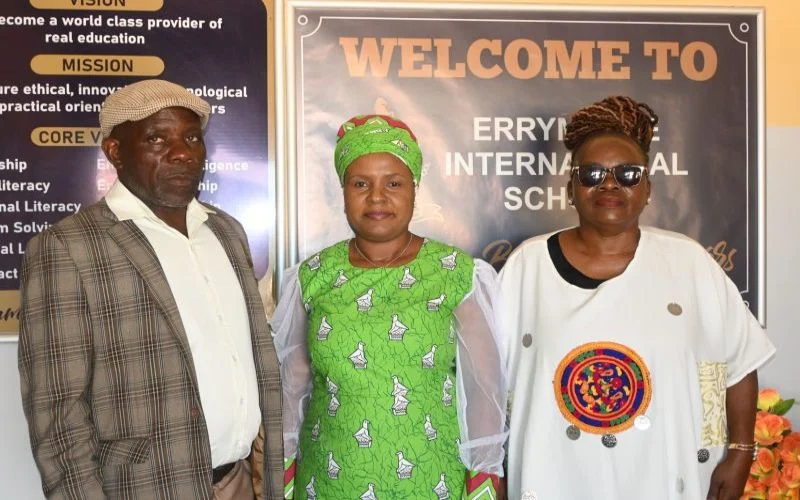
Meanwhile, the second half of the team that is Team B (The CEO of Qurious Mind Mr. Manoj Jamsandekar, Managing Director Mr. Yogesh Kerkar and trainer Mrs. Prabita Desai) set off on a long journey to Errymaple International School in Zvishavane, a 6-hour drive from Harare and reached the location at 9:00 pm.
Day 3: 18 March 2025
Teacher’s Training Workshop at Errymaple International School, Zvishavane (Mindland Province)
Topic- Robotic Construction using Qurio Spark Kit
Trainer: Manoj Jamsandekar
Assistant: Prabita Desai
Time: 8:00 AM – 4:00 PM
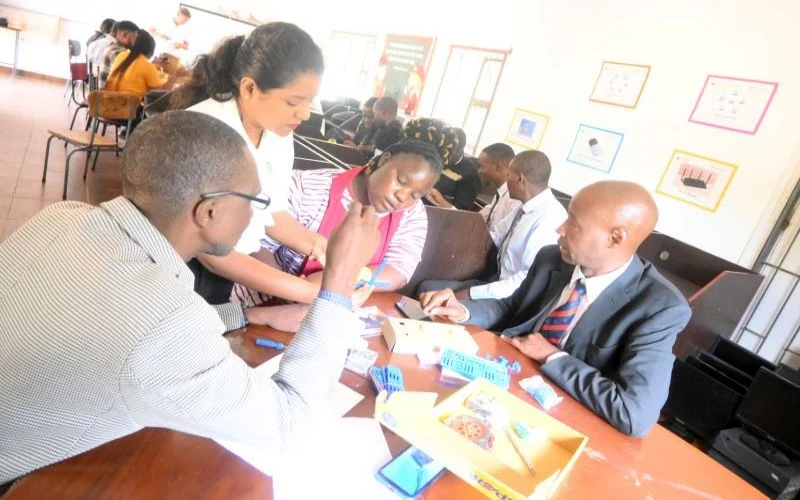
On 18/3/2025, Manoj Jamsandekar conducted a highly successful Teacher’s Training Workshop at Errymaple International School in Zvishavane. The workshop, aimed at enhancing the teaching capabilities of educators and providing them with effective tools for hands-on learning, took place from 8:00 AM to 4:00 PM. The workshop was attended by 25 participants, including teachers from various disciplines eager to learn innovative teaching methods.
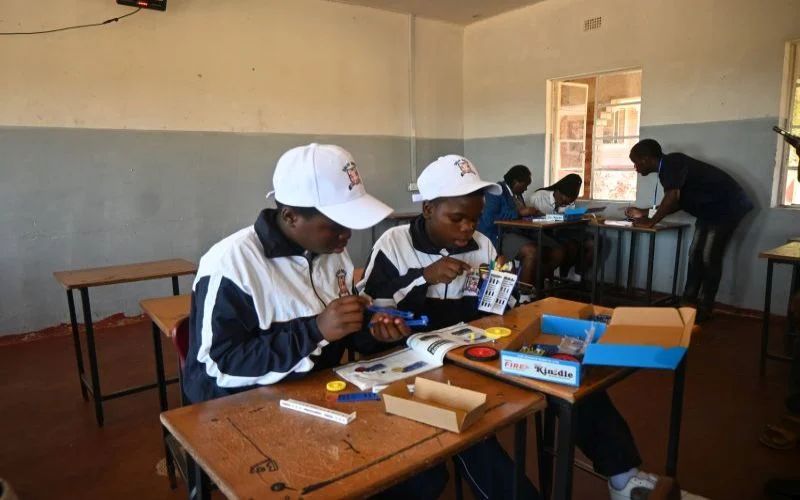
The workshop’s central focus was introducing educators to the Spark Kit and Fire Kit, a creative educational tool designed to help teach STEM concepts (Science, Technology, Engineering, and Mathematics) through practical, hands-on activities. Prabita Desai assisted Manoj Jamsandekar throughout the workshop, ensuring the smooth facilitation of the hands-on practical exercises and offering support to the participants as they engaged with the activities.
Session Structure and Activities
- Introduction to the Spark Kit and Fire Kit
The day began with an introduction to the Spark Kit. Manoj Jamsandekar demonstrated how the kit could be used to create simple mechanical models that help students understand key concepts such as motion, energy, and mechanics. This session set the foundation for the rest of the day, highlighting how educators could use the kit in their classrooms to make abstract scientific principles more tangible and engaging.
Prabita Desai assisted by explaining the components of the kit and offering practical tips to participants as they began working with the materials. She moved through the group, helping troubleshoot and guiding teachers in building their first models. - Building the Windmill
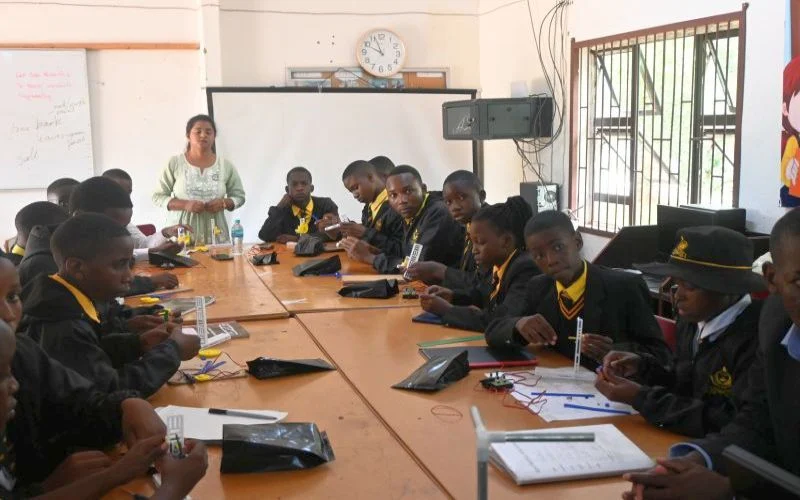
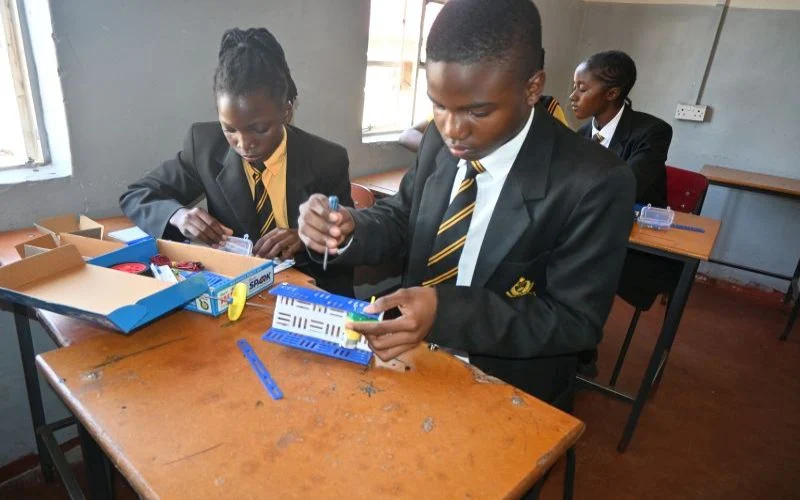
The first major hands-on activity was the creation of a windmill. Teachers worked in small groups to assemble the windmill using the Spark Kit components. Manoj Jamsandekar explained how windmills operate and how gears can influence the speed of motion. Participants were then shown how they could experiment by exchanging the gears to observe the differences in motion speed. This exercise allowed teachers to understand the mechanics of gears and how they can be used to control the movement of machines.
Prabita Desai played a key role in this session, assisting the teachers with assembling the windmill and ensuring that everyone understood the concept of gear ratios. She helped clarify any questions regarding how different gears affect the speed of the windmill’s rotation. - Constructing the Seesaw
After the windmill, the next project was to build a seesaw. This simple yet insightful activity illustrated the concept of balance and leverage. Teachers worked together to construct the seesaw model, where they experimented with different weight distributions to observe how balance is achieved. The seesaw project was a practical demonstration of basic physics principles in action, helping educators understand how to explain leverage, forces, and equilibrium to their students.
Prabita Desai actively supported teachers as they worked through the construction, making sure each teacher understood how the seesaw’s balance could be adjusted and explaining how to present these ideas in an interactive classroom setting. - Building the Swing
Following the seesaw, teachers proceeded to build a swing model. This activity introduced them to the concepts of pendulum motion and periodic movement. Teachers learned how objects move in cycles and how the swinging motion can be used to teach basic concepts of physics. The teachers constructed the swing model step by step, with the help of Manoj Jamsandekar and Prabita Desai, who guided them through the process. The swing demonstrated oscillatory motion, and teachers were shown how this concept could be taught through interactive, student-friendly experiments. - Creating the Peacock
The final activity of the day involved building a peacock model using the Spark Kit components. This project combined both mechanical motion and artistic creativity, as the peacock’s feathers were designed to move in a fluid, almost lifelike manner. Teachers learned how to combine engineering with creativity to make learning both fun and educational for students. The peacock activity was a great way to conclude the workshop, as it allowed educators to explore both the artistic and scientific aspects of engineering.
Throughout the day, Prabita Desai played a vital role in ensuring that each participant received the support they needed. As Manoj Jamsandekar led the group through each activity, Prabita moved between the participants, offering guidance, answering questions, and helping troubleshoot any issues that arose during the hands-on exercises. Her assistance allowed the workshop to run smoothly and ensured that all the participants were able to engage fully with the content.
Prabita’s hands-on assistance was especially valuable during the construction of the more intricate models, where teachers needed extra support to understand how different parts fit together. She helped encourage collaboration among the participants, fostering a learning environment where teachers could share their ideas and problem-solving strategies.
Key Learnings and Outcomes
By the end of the workshop, the participants gained several key takeaways:
- Practical application of STEM concepts: Teachers learned how to apply science and engineering principles in an engaging, hands-on manner using the Spark Kit.
- Understanding the value of interactive learning: The workshop demonstrated the importance of creating a learning environment where students can actively engage with concepts rather than passively receiving information.
- Improved problem-solving skills: Through building various models, teachers practiced problem-solving and troubleshooting, gaining skills they could use to teach their students how to approach challenges.
- Creative teaching techniques: Teachers were inspired to incorporate creative projects, such as the peacock model, into their classrooms to combine science with artistic expression.
The positive feedback from the participants indicated that they found the training both informative and inspiring. Many teachers expressed their excitement to share these new activities with their students, knowing they would create a more engaging and interactive classroom environment.
Day 4: 19 March 2025
Topic- M-Block Programming using Scratch
Trainer: Manoj Jamsandekar
Assistant: Prabita Desai
Time: 8:00 AM – 4:00 PM
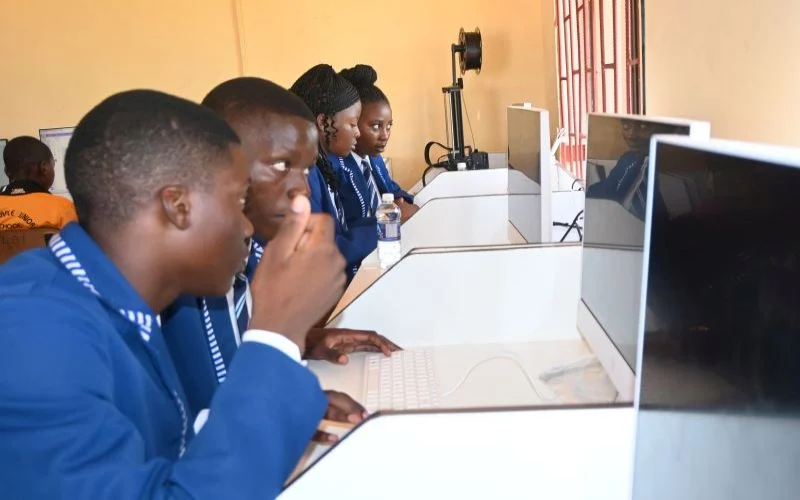
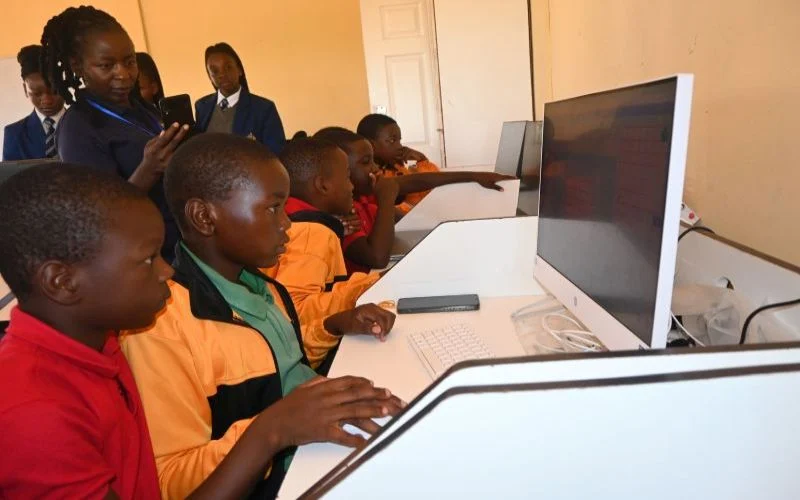
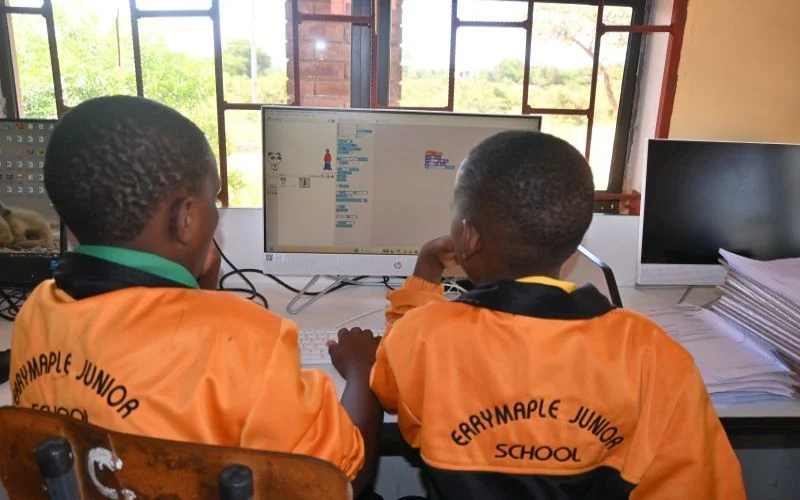
The training focused on the concept of M-Block programming using Scratch, which is integrated with the Fire Kit to enable hands-on learning of various robotics applications. The participants were introduced to the basics of programming and were guided through practical exercises that involved controlling a robotic vehicle’s movements and interactions with sensors.
Key Training Highlights:
- Introduction to M-Block and Scratch Programming:
o Manoj Jamsandekar began the session by explaining the fundamental concepts of M-Block programming, which utilizes Scratch to make programming intuitive and accessible.
o Participants were shown how to use M-Block in conjunction with the Fire Kit, a robotics platform that combines hardware and software to bring coding lessons to life. - Vehicle Movement Programming:
o The first practical exercise involved programming a robotic vehicle. The participants learned how to create motion commands for the vehicle, such as:
Forward Movement: Programming the vehicle to move forward on a straight path.
Backward Movement: Enabling the vehicle to move in reverse.
Left Turn & Right Turn: Programming precise left and right turns for the vehicle, allowing it to navigate in different directions.
o These exercises introduced basic concepts of robotics and control systems, giving participants a practical understanding of how to translate abstract programming into real-world actions. - LED Lights Programming:
o The next session focused on controlling the LED lights within the Fire Kit. Participants learned how to program the LEDs to glow in a loop, creating dynamic lighting effects. This exercise helped the participants understand the concept of loops and conditional logic in programming.
o The LEDs were programmed to turn on and off in a continuous sequence, demonstrating how programming can control both hardware and visual output. - Sensor-Based Control:
o In the final segment of the training, participants were introduced to sensor-based programming. They learned how to move the vehicle using a torch light and programmed the car to react to light signals by following the direction of the beam.
o This exercise demonstrated the use of sensors in robotics, which are essential for creating autonomous systems that can interact with their environment.
Challenges & Assistance:
Throughout the training, participants encountered various challenges, especially in understanding the logical flow of programming and debugging their code. Prabita Desai, the assistant trainer, was actively engaged in helping participants overcome these hurdles. She provided one-on-one assistance, explaining the concepts in simpler terms and guiding participants through their challenges. Her support was vital in ensuring a smooth learning experience for all participants.
Day 5: 20 March 2025
Topic- Students Workshop
Date: 20th March 2025
Instructor: Prabita Desai
Schools Involved: Errymaple Primary School & Errymaple International High School
Age Group: 7 to 16 years
Total Participants: 63 students (divided into 3 groups of 21 students each)
Workshop Duration: 8:00 AM – 4:30 PM
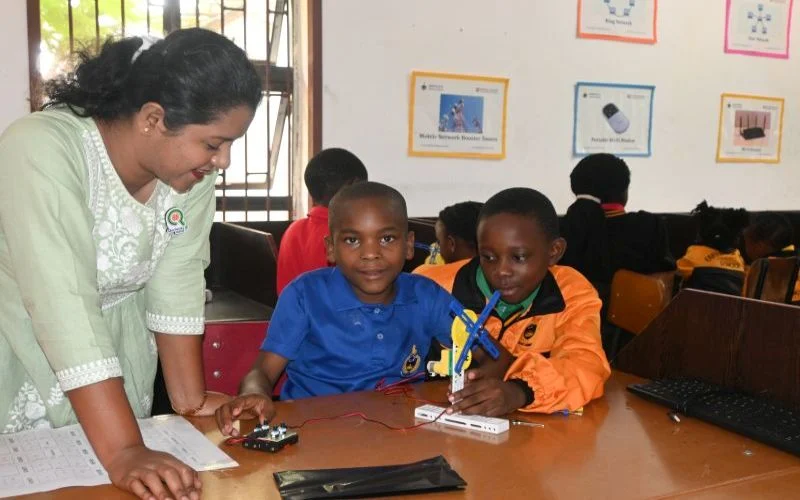
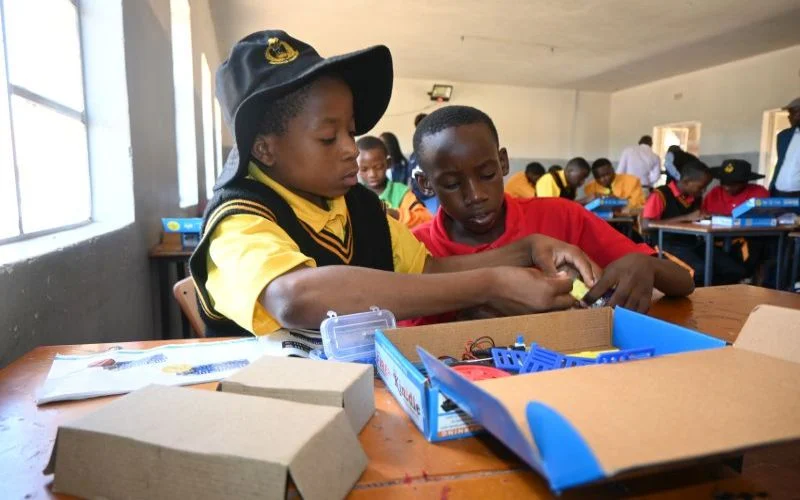
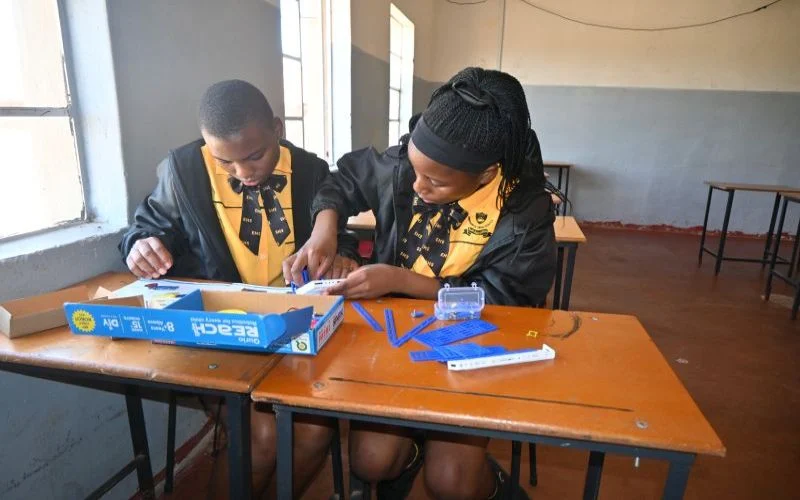
On 20th March 2025, a robotics workshop was conducted for students from Errymaple Primary School and Errymaple International High School. The session was designed for students aged between 7 and 16 years. The workshop introduced the students to basic robotics concepts through hands-on activities, including building a windmill model with gears and operating a robot car on a track. The aim was to inspire the students’ interest in STEM subjects and enhance their understanding of mechanical engineering and robotics.
Key Activities and Learning Outcomes:
Robot Car Operation on the STEM Quest Track:
o After completing the windmill activity, the students transitioned to an exciting practical exercise involving robot car operation.
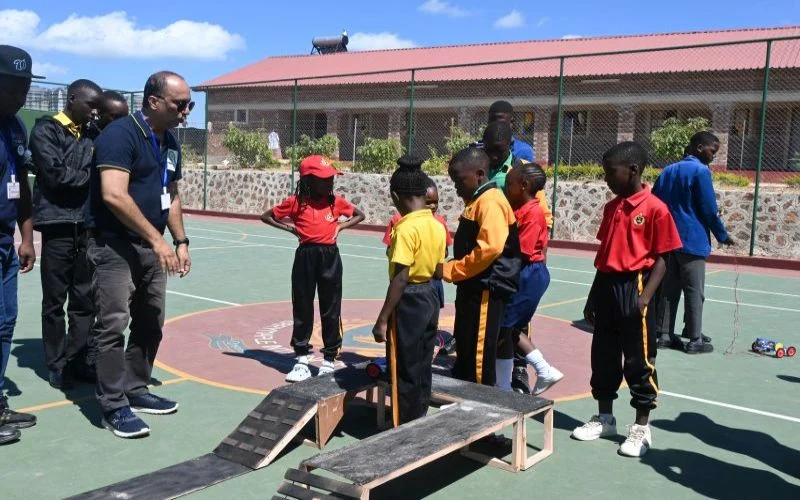
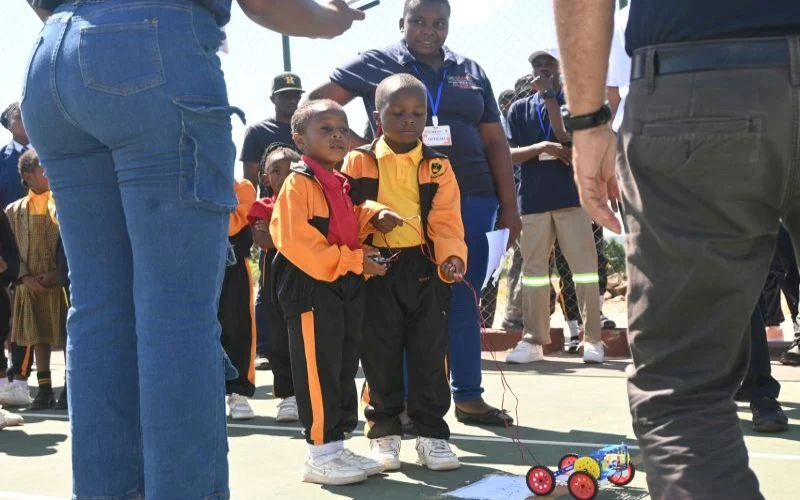
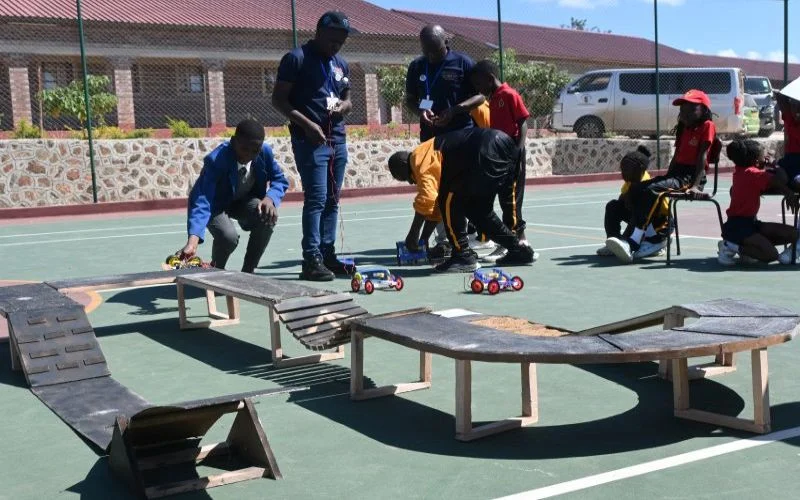
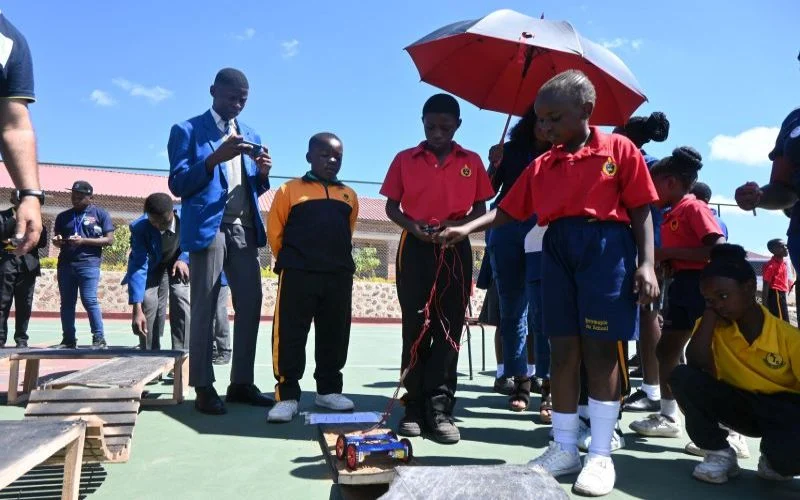
o They were given the opportunity to operate robot cars on a specialized track designed for the STEM Quest competition. The track was set up with various challenges to test the students’ ability to control the robot cars through programming and sensor-based commands.
o Students had to navigate the robot cars through turns, obstacles, and speed variations, simulating real-world robotics applications.
o This activity allowed the students to apply their understanding of programming, control systems, and robotics in a competitive and fun environment.0
Introduction and Explanation of the Working Model:
o The workshop began promptly at 8:00 AM, with all students gathering into three groups of 21 students each.
o Prabita Desai, the instructor, began by explaining the basic concepts of mechanical systems, with a focus on gears and their functions in machinery.
o The students were introduced to a working model that demonstrated the application of gears in motion. This model served as the foundation for the hands-on activity of building a windmill.
Windmill Construction Activity:
o After explaining the working model, the students were guided through the process of constructing a windmill using a variety of gears. This task helped students understand the fundamental principles of gear mechanisms, torque, and rotational motion.
o The students learned how to fit the gears together in the correct configuration to create movement, and how each gear’s rotation would affect the overall motion of the windmill.
o During this activity, students were encouraged to work in teams, which fostered collaboration and problem-solving skills.
Day 6: 21 March 2025
On Day 6, the primary focus was on preparing for the upcoming STEM QUEST event, which was scheduled for the next day that is on 22/3/2025. A variety of activities and events were planned for the students to participate in, aiming to engage them in exciting challenges that would foster learning in the fields of Science, Technology, Engineering, and Mathematics (STEM). The preparations involved organizing all the necessary materials, setting up the venues, and ensuring that everything was in place for a smooth and successful event the next day.
Day 7: 22 March 2025
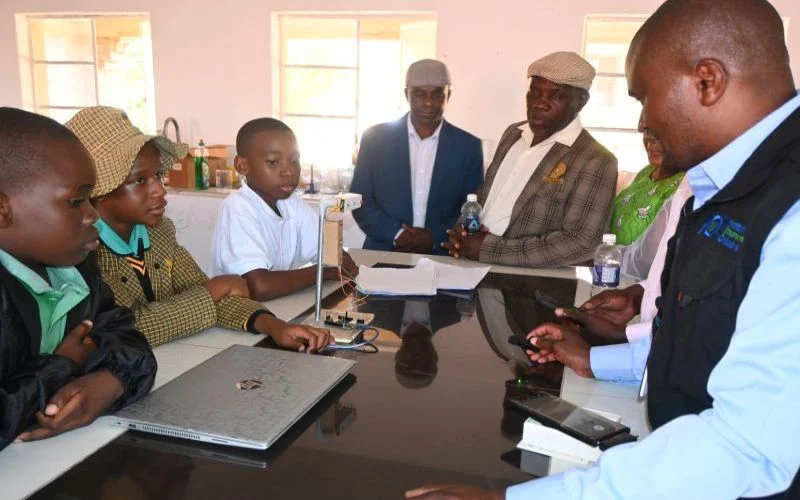
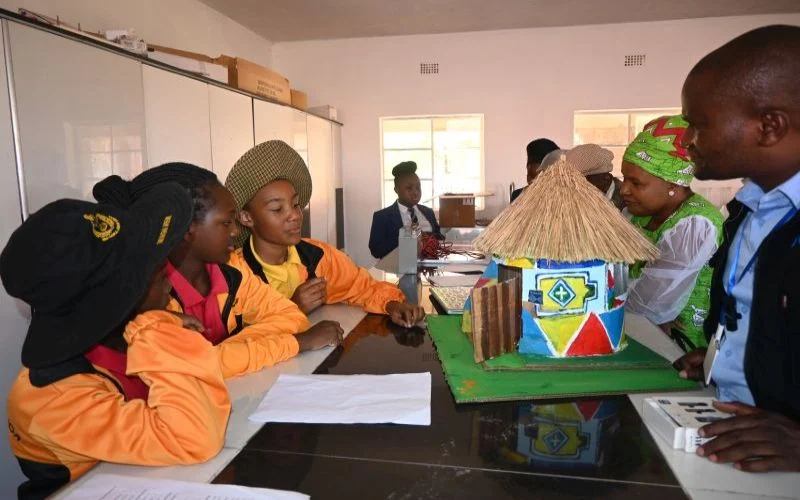
Names of events: Science Quiz, Science Expo, Robo Race, Bridge Building Competition, and Robotics Construction Challenges, Coding and Web development
Number of participants: 86
Day 7 marked the highly anticipated STEM QUEST competition, a dynamic and engaging event that brought together students from Errymaple International School Zvishavane and Solid Rock High School Domboshava. The competition aimed to challenge the students in various STEM fields, fostering creativity, teamwork, and technical problem-solving skills. The Zimbabwe team took the lead in hosting the event, with invaluable support from the Goa team.
The competition featured five exciting events: the Science Quiz, Science Expo, Robo Race, Bridge Building Competition, and Robotics Construction Challenges, Coding and Web development. The event was scheduled to run from 9:00 AM to 1:00 PM, allowing each event to take place within this window.
Business meet party at Shangri-la Resort in Harare.
Date: 22nd March 2025
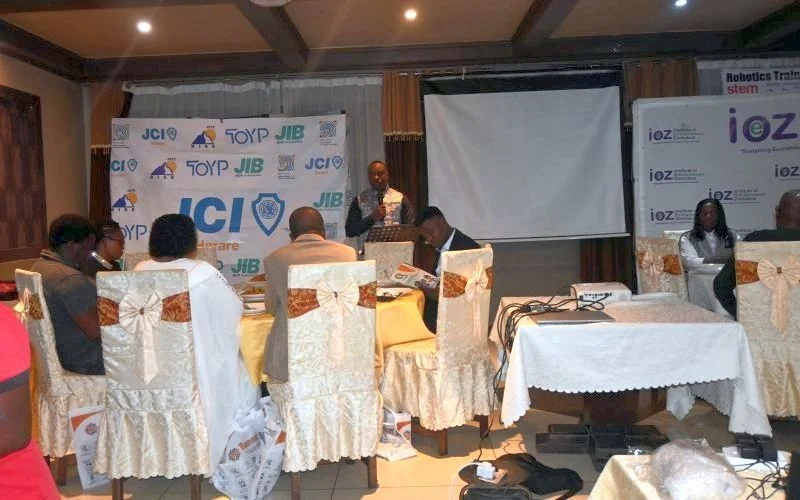
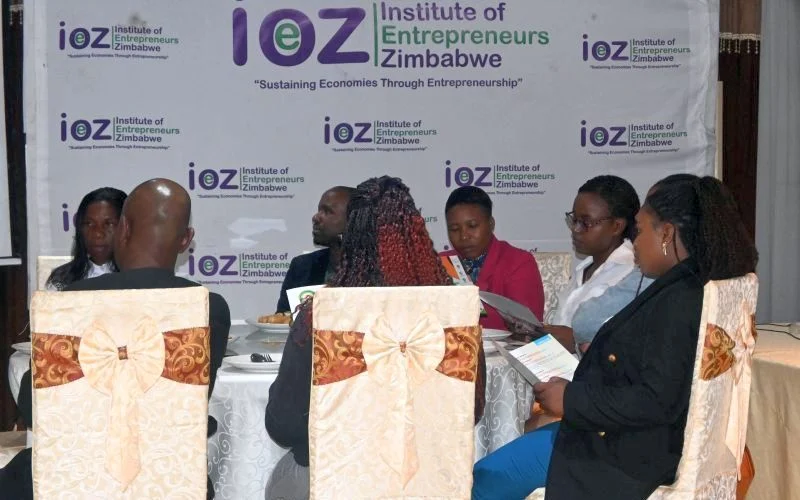
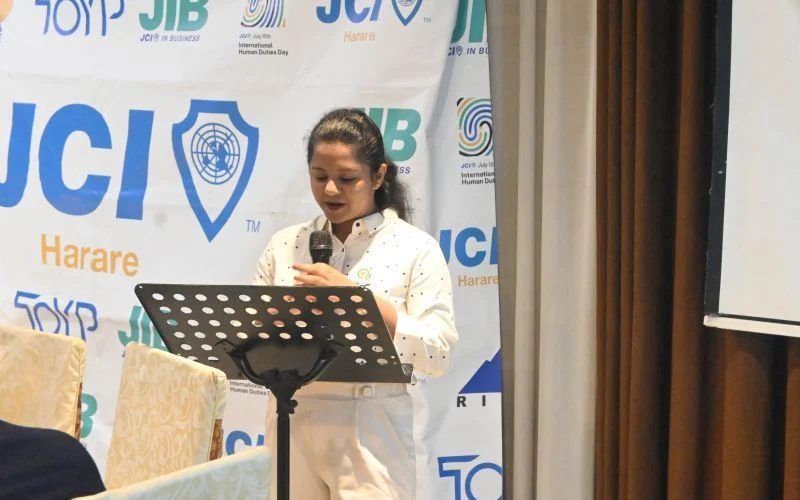
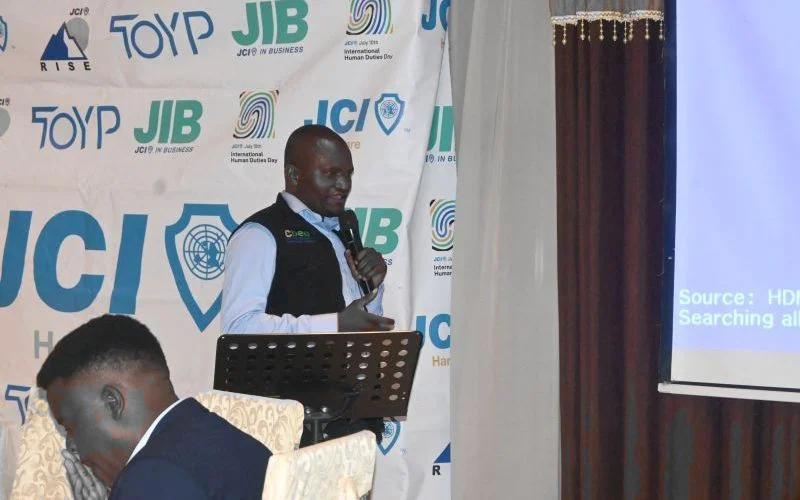
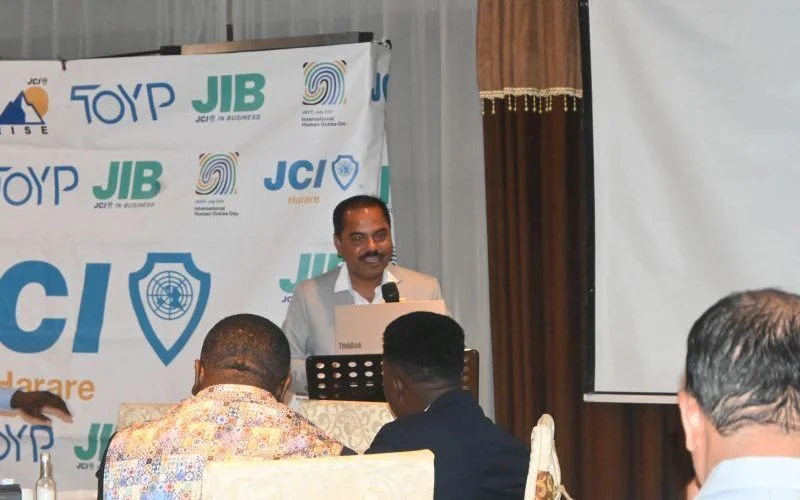
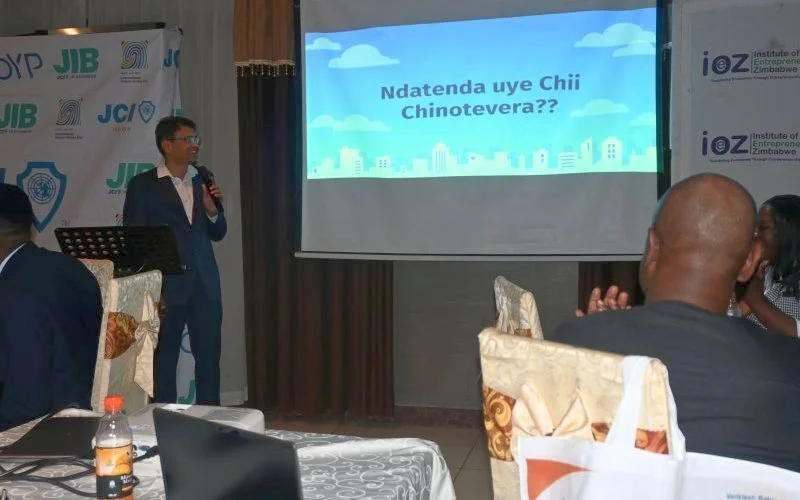
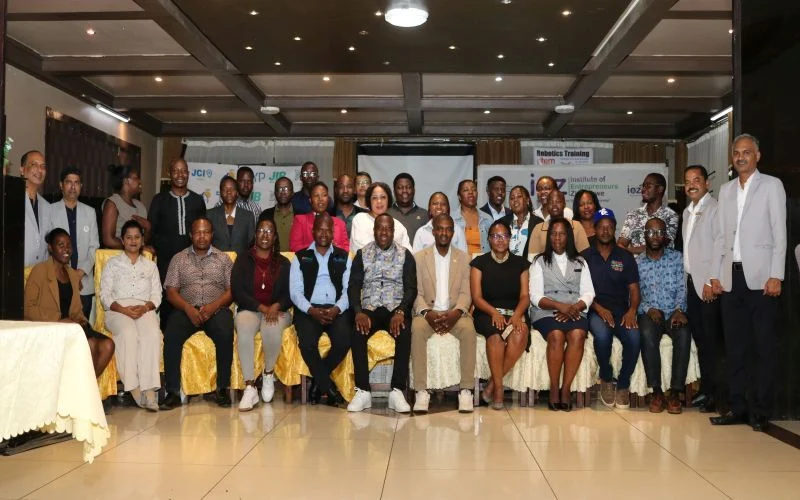
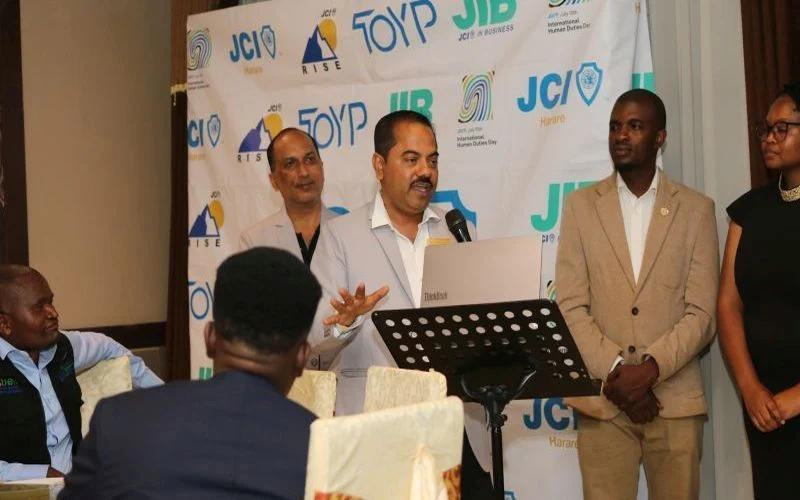
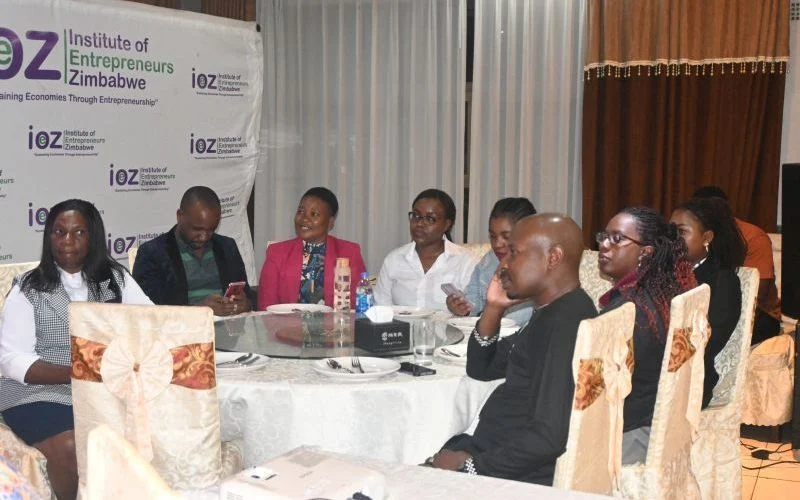
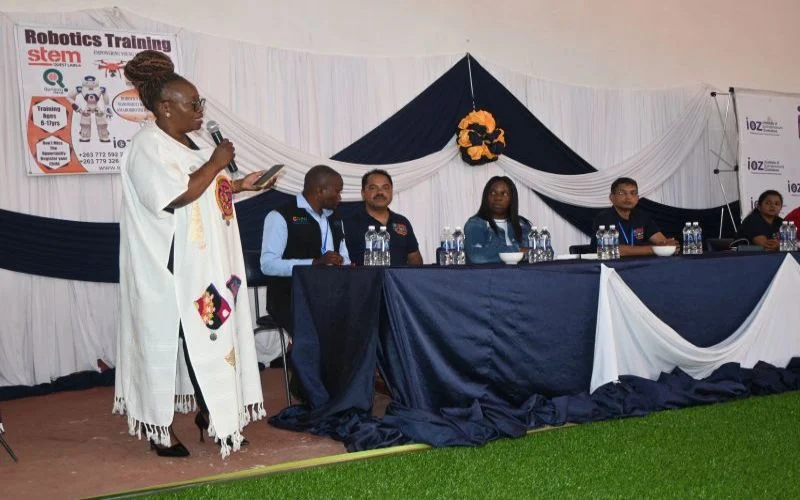
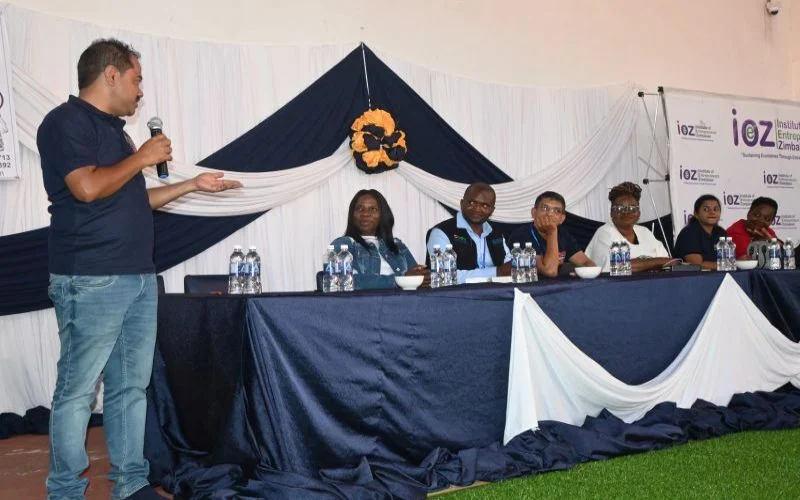
On the evening of March 22nd, the Shangri-La Resort in Harare was the venue for a successful Business Meet Party, organized and hosted by the Qurious Mind team in collaboration with Ramnet Solutions. The event was managed by JCI Harare, and it saw a dynamic gathering of business delegates, including representatives from JCI Harare, STEM Quest Lab, and other key professionals from various industries.
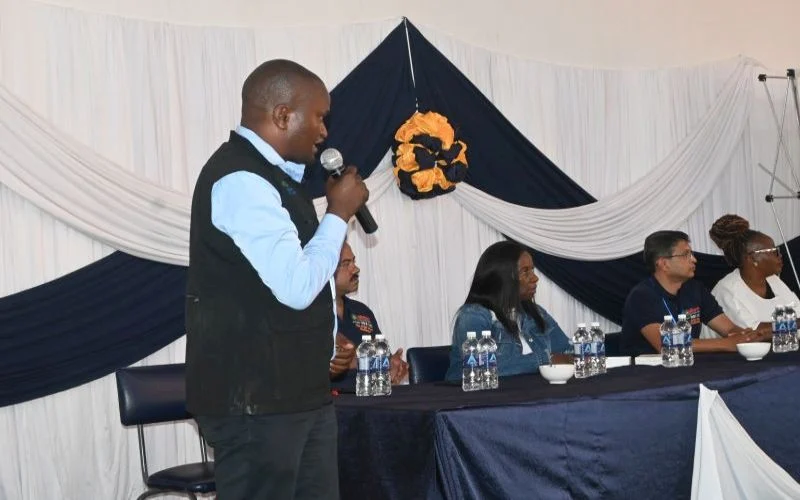
The evening was filled with enriching discussions and presentations. Venkatesh Babladi delivered an insightful presentation on biometric and security systems, exploring the latest trends and technologies in this critical field. Following this, Manoj Jamsandekar shared valuable information about Qurious Mind, its vision, and the team’s contributions to fostering innovation and collaboration across different sectors. Yogesh Kerkar concluded the presentations with a talk on the importance of connecting local communities with schools, discussing how such initiatives can significantly benefit both education and community development.
As the event concluded, the Goan team of Qurious Mind took a moment to appreciate the dedication and hard work of each individual who had been a part of the 7-day workshop. The team presented a small token of love and appreciation to all the participants, symbolizing gratitude for their commitment and efforts.
This event was a great success, not only offering networking opportunities but also inspiring collaboration and sharing of ideas. It left attendees motivated to continue contributing towards growth and innovation in their respective fields.
Events Gallery














#RoboticsWorkshop #STEMEducation #HandsOnLearning #STEMOutreach #ZimbabweEducation #HarareEvents #STEMZimbabwe #STEMAfrica #STEMQuest #REACHProgram